When Neighbors Need Help Fast, They Don't Google — They Look in One Place
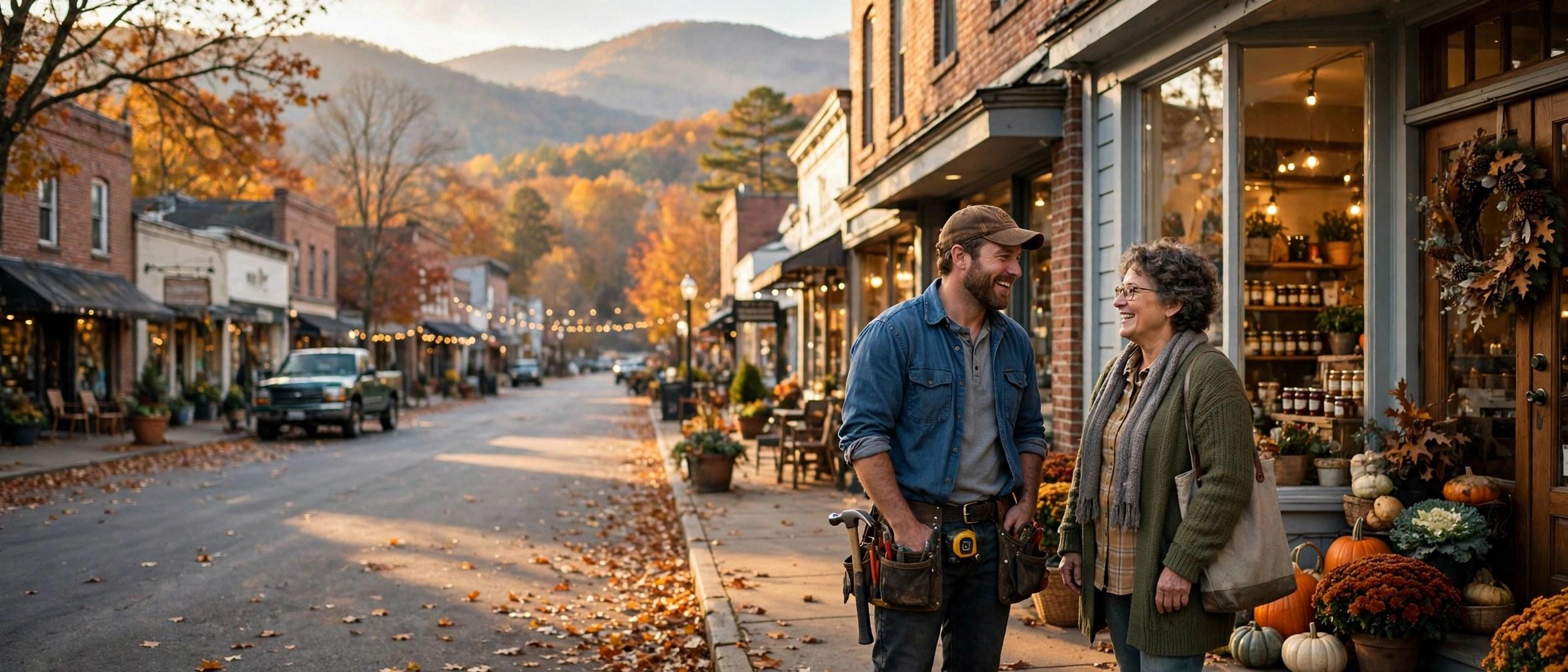
It's Thanksgiving Day. The turkey's in the oven, the house is full, and then the sink backs up. Or the heat quits. Or the lights in the dining room go out with twelve people on the way.
Nobody in that moment sits down to research. Nobody reads three company websites and compares service menus. They grab their phone and ask somebody they trust: who do you call for this?
That moment — the urgent one, the one where the house is full and the clock is ticking — is the moment that decides which local businesses get the work. And most of the time, it's not decided by an ad. It's decided by where your neighbors already look.
The urgent customer doesn't shop around
Here's what people actually do when something breaks at the worst possible time.
They ask a neighbor. They post in a local Facebook group: "Anybody know a plumber who answers on Thanksgiving?" They search the place they already trust — the community hub, the directory, the group where the names are familiar.
They don't have time to vet five companies. They have time to call one. And the one they call is the one they can find in under a minute, with a phone number right there and a name that rings a bell.
That's not a marketing theory. That's how a house full of guests works. Urgency strips away everything except trust and findability. If your neighbors have seen your name before, and they can find your number fast, you get the call. If they can't, the next name gets it.
Familiarity is built on the quiet days
The thing is, that trust doesn't get built on Thanksgiving Day. It gets built on the hundred quiet days before it.
It gets built every time somebody in town sees your name in a local group, attached to something helpful instead of a pitch. Every time a neighbor recommends you in the comments and somebody else sees it. Every time your listing shows up when a person searches for what you do, plain as day, with your town and your phone number right there.
Nobody remembers a business they saw once. They remember the name they've bumped into a dozen times. The plumber whose truck they've seen at the house down the street. The electrician their cousin tagged last spring. The handyman who answered a question in a group in July and got the call in November.
By the time the sink backs up, the decision is already mostly made. Thanksgiving just reveals it.
One place beats ten scattered places
Think about it from the neighbor's side. Something's broken, guests are coming, and you're standing in the kitchen with a phone in your hand. Are you going to dig through five different websites, three Facebook pages, and a search results page full of companies from two counties away?
Or are you going to open the one place where the local businesses are already gathered — the community hub — search for the trade you need, and call the first name that looks like a real neighbor?
That's the whole idea of a hub. It's not a website. It's the town square, moved online. Everybody's there in one place, so the person who needs help doesn't have to go hunting. They look in one place, they find a name, they make the call.
A business on its own is a house on a back road. A business in a hub is a shop on Main Street, with foot traffic walking past every day. When the urgent moment comes, Main Street is where people look first.
What to do before the next urgent moment
You can't schedule an emergency. But you can be ready for somebody else's.
Make sure your listing is finished — real photo, plain words about what you do, your phone number where nobody has to hunt for it.
Keep showing up where your neighbors already are. Answer a question in a local group. Wish somebody well. Be a familiar name, not a stranger with an ad.
Answer the phone, or call back fast. The urgent customer doesn't leave a voicemail and wait. They call the next name.
Treat every urgent job like an audition. The customer who calls you on Thanksgiving tells the story at Christmas dinner. That story is worth more than any ad you could buy.
None of that takes money. It takes being in the place where your neighbors already look — and being easy to find when they get there.
The hub works hardest on the days you can't plan for
Most marketing is built for the good days. The planned projects. The slow season. The customer who has time to think it over.
But a lot of local work doesn't start that way. It starts with a broken pipe, a dead furnace, a car that won't start with family in the driveway. It starts with somebody who needs help right now and trusts the first familiar name they can find.
That's the day a community hub earns its keep. Not by being fancy. By being the one place everybody in town already knows to look.
So if your business isn't there yet — in the hub, finished, findable, with your real number on it — today is a good day to fix that. The next urgent moment is coming. It always is. The only question is whether your name is the one your neighbors find when it does.
Is your business on The North GA Local yet?