A Community Hub Is a Main Street, Not a Website
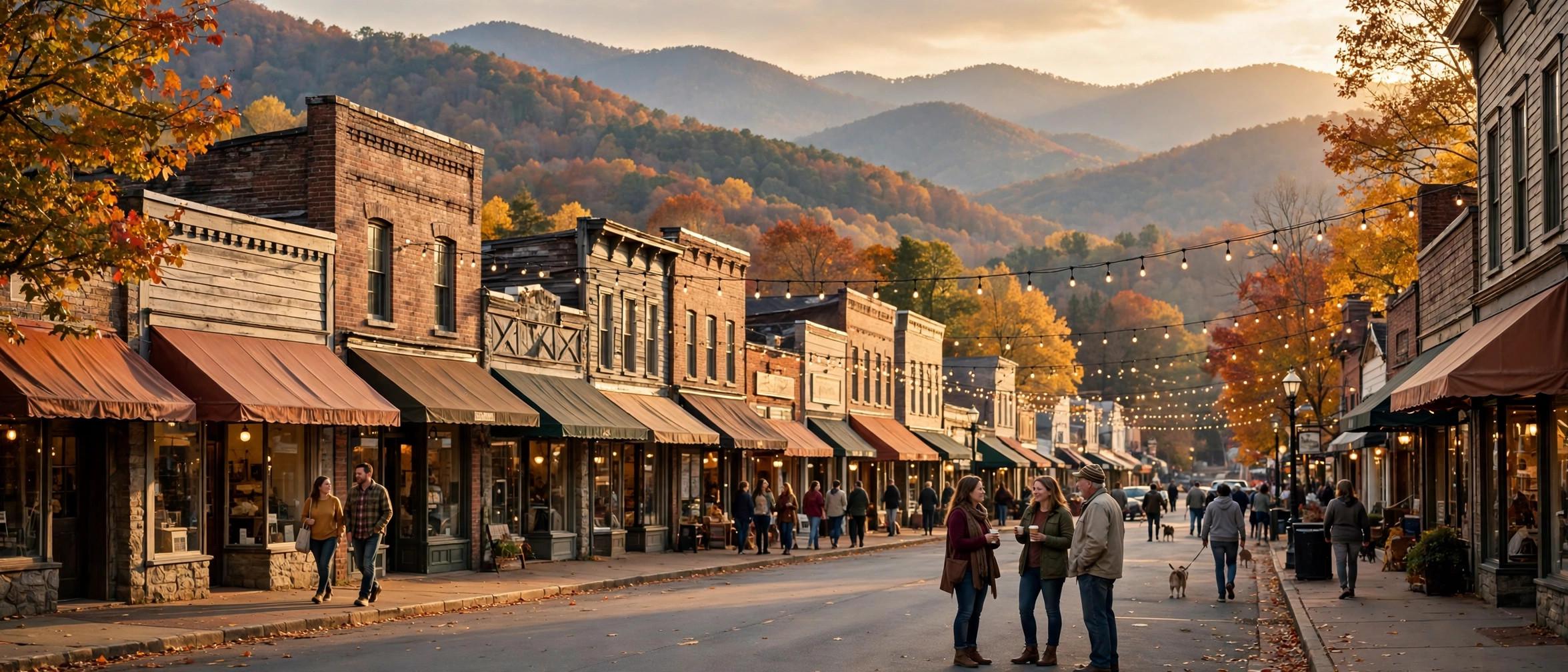
Most local business owners have a website. Some of them paid good money for it. And most of those websites sit there like a shop at the end of a dead-end road — nice building, nobody driving by.
That's not a failure of the website. It's a failure of the road.
A Website Waits. A Main Street Brings People
A website only works if someone already knows to look for you. They have to hear your name, remember it, type it in, and show up. That's a lot of steps for a stranger to take.
A Main Street works the other way around. People show up because the street is where things are. They come for one shop and wander into three others. They bump into a neighbor, ask a question, and walk out with a recommendation they never planned to get.
A community hub is a Main Street. The customers are already there, browsing, asking around, and looking for someone local they can trust. Your listing just has to be on the street when they walk by.
Foot Traffic You Didn't Have to Create
Think about what it takes to get one stranger to your website. An ad. A post that beats the algorithm. A referral that actually gets followed up on. Every single visitor costs you effort.
Now think about a busy Saturday on a real Main Street. The coffee shop brings people in, and the bookstore next door gets the overflow. The hardware store's regulars wander into the bakery. Nobody paid for that foot traffic. It came from being next to other businesses people already wanted.
That's what a hub does online. One business's listing brings a neighbor in, and that neighbor browses the whole street. Your business gets seen by people who never would have searched for you by name — because they were already looking around.
The Street Is Only as Good as Its Shops
Here's the part nobody talks about: a Main Street with three empty storefronts and a boarded-up window doesn't draw a crowd. People go where it feels alive.
The same is true of a community hub. Every real listing — with a real name, real photos, real details about what you actually do — makes the whole street more worth visiting. The plumber's listing makes the electrician's listing more valuable, because a neighbor fixing up a house needs both. The bakery makes the coffee shop stronger, because breakfast and coffee go together.
That means your listing isn't just for you. It's part of what makes the street worth walking down. And the fuller the street gets, the more foot traffic every shop on it receives.
You Don't Have to Build the Street
Building your own audience from scratch is the hardest way to market. You have to create the content, buy the ads, fight the algorithm, and do it all again next week because yesterday's post is already gone.
Joining a hub skips that whole job. The street is already built. The neighbors are already walking it. You just put up your sign — your listing — and make sure it says clearly who you are, what you do, and how to reach you.
That's not lazy. That's smart. The shop owner on Main Street didn't pave the road or put up the streetlights. They just opened a door where people already walk.
Be Where the Neighbors Already Are
Your website still matters. It's your shop, your home base, the place people land when they want the full story. But a shop with no street in front of it is a hard way to make a living.
Put your business where the neighbors already gather. Get listed in the hub, keep your details straight, and let the foot traffic do what foot traffic has always done — bring people through your door who never planned to stop, but are glad they did.
Is your business on The North GA Local yet?